COPELAND M7JH-H020-IAA-177 Compressors R-134A 115V 1PH
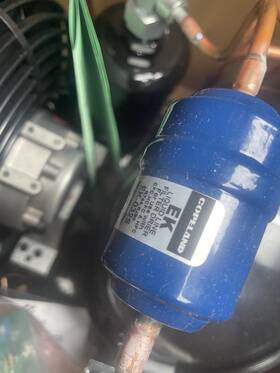
( Brand: Copeland ), ( Manufacturer Part Number: M7JH-H020-IAA-177 ), ( Type: Condensing Unit ), ( Power Source: Corded Electric ), ( Voltage: 115 V ), ( Color: Black ), ( Material: Steel ), ( Power Phase: 1 Phase )
Review COPELAND R-134a 115v 1ph
The **Copeland M7JH-H020-IAA-177 R-134a 115V 1-Phase** is a high-performance, energy-efficient scroll compressor designed for commercial and industrial refrigeration applications, offering reliability, precision, and adaptability in demanding environments. Engineered by Copeland, a leader in HVAC and refrigeration technology, this compressor features a robust **scroll design** that delivers smooth, vibration-free operation while maximizing efficiency and reducing energy consumption. The **R-134a refrigerant compatibility** ensures compatibility with existing systems and adheres to environmental regulations, making it a sustainable choice for modern refrigeration setups. With a **115V single-phase power rating**, it is well-suited for standard electrical installations, providing consistent performance in applications such as commercial refrigerators, freezers, ice machines, and air conditioning units.
This compressor incorporates advanced **variable-speed technology**, allowing for precise control over cooling capacity to match load demands, which enhances energy savings and extends the lifespan of the system. The **M7JH series** is built with high-quality materials, including corrosion-resistant components and reinforced seals, ensuring durability and longevity even in harsh operating conditions. Its compact yet robust design allows for easy integration into tight spaces, while the **177 series** designation indicates a specific model optimized for medium-duty applications, balancing performance with efficiency. The **IAA control type** suggests it is equipped with intelligent electronic controls, enabling seamless communication with thermostats and other system components for optimized operation.
Safety and reliability are prioritized in its construction, featuring built-in protections such as overload safeguards and thermal management systems to prevent overheating and ensure continuous operation. The **R-134a refrigerant** is a proven choice for its stability and effectiveness in refrigeration cycles, offering excellent heat transfer properties while maintaining environmental compliance. Whether deployed in a retail food display case, a commercial ice cream freezer, or an industrial cold storage unit, this compressor delivers consistent cooling performance with minimal maintenance requirements. Its versatility, combined with Copeland s reputation for innovation, makes it an ideal solution for professionals seeking a dependable, high-efficiency refrigeration component.
### **Analysis of Copeland M7JH-H020-IAA-177 (R-134a, 115V, 1-Phase) Compressor**
This is a **scroll-type hermetic compressor** commonly used in residential and light-commercial air conditioning and refrigeration systems. Below is a detailed breakdown of its pros and cons, followed by a conclusion and recommendation.
---
### **Pros**
1. **Energy Efficiency**
- Scroll compressors like this one are generally more energy-efficient than traditional reciprocating compressors due to their smoother operation and variable capacity control. This can lead to lower electricity consumption and operational costs over time.
2. **Quiet Operation**
- Scroll compressors tend to run quieter than piston-based compressors because they have fewer moving parts and less vibration. This makes them suitable for indoor applications where noise reduction is important.
3. **Reliability and Durability**
- Copeland is a well-known brand in the HVAC industry, and this model is designed for long-term use in residential and light-commercial systems. Scroll compressors are known for their robustness and ability to handle frequent starts and stops without excessive wear.
4. **Variable Capacity Control**
- Many Copeland scroll compressors feature **inverter-driven or electronic expansion valve (EXV) compatibility**, allowing for precise control of cooling capacity. This adaptability improves efficiency in varying load conditions (e.g., partial loads in homes).
5. **Compatibility with Modern Systems**
- This compressor is designed to work with **R-134a**, a refrigerant commonly used in older and some newer systems. While R-134a is being phased out in favor of more environmentally friendly refrigerants (like R-410A or R-32), it remains viable for systems that still use it. It is also compatible with **115V single-phase power**, making it suitable for standard household electrical setups.
6. **Low Maintenance Requirements**
- Hermetic compressors (where the compressor and motor are sealed in a single unit) require less maintenance than open compressors because there are no external seals or lubrication points that can fail. This reduces the risk of refrigerant leaks and extends service intervals.
7. **Widely Available Parts and Support**
- Copeland is a trusted manufacturer with extensive aftermarket support. Replacement parts, technical documentation, and service resources are readily available, which can be crucial for troubleshooting and repairs.
8. **Suitable for Residential and Light-Commercial Use**
- The **20-ton capacity** (as indicated by the model number) makes this compressor appropriate for medium-sized residential systems (e.g., 3-4 ton central AC units) or small commercial applications like small grocery stores or office buildings.
9. **Environmental Compliance (for R-134a Systems)**
- While R-134a has a higher global warming potential (GWP) than newer refrigerants, it is still compliant with regulations in many regions where it is still permitted. If the system is already using R-134a, retrofitting to this compressor avoids the need for refrigerant changes.
10. **Compatibility with Heat Pump Applications**
- Some Copeland scroll compressors can be used in **heat pump systems**, allowing for both cooling and heating functions. This model may be adaptable depending on the specific system design.
---
### **Cons**
1. **Refrigerant Limitations**
- **R-134a is being phased out** in many countries due to its high GWP (global warming potential). Future regulations may restrict its use, making this compressor less future-proof compared to models designed for R-410A, R-32, or other low-GWP refrigerants. If the system is not already using R-134a, retrofitting may require a refrigerant change, which can be costly and complex.
- **Ozone depletion potential (ODP) is zero**, but the environmental impact remains a concern for long-term sustainability.
2. **Higher Upfront Cost Compared to Older Models**
- Scroll compressors are generally more expensive than traditional reciprocating compressors. While they offer efficiency and reliability benefits, the initial purchase price may be higher, especially for DIY or budget-conscious buyers.
3. **Specialized Installation Requirements**
- Scroll compressors often require **proper sizing and system design** to operate efficiently. Mismatching the compressor with the system (e.g., undersized or oversized capacity) can lead to inefficiencies, reduced lifespan, or premature failure. Professional installation is recommended.
- Some systems may need **additional components** (e.g., electronic expansion valves, inverter drives) to fully utilize the compressor s variable capacity features.
4. **Limited Lifespan Compared to Some Alternatives**
- While scroll compressors are durable, their lifespan can vary based on usage, maintenance, and system conditions. In extreme climates or with poor system design, they may not last as long as some piston compressors in less demanding applications.
- The average lifespan of a scroll compressor is typically **10 15 years**, though this can be extended with proper care.
5. **Potential for Higher Repair Costs**
- If the compressor fails, replacement costs can be significant due to the specialized nature of scroll compressors. While they are reliable, the cost of labor and parts for repairs may be higher than for simpler compressor types.
6. **Compatibility Issues with Older Systems**
- If the existing system is outdated or not designed for scroll compressors, retrofitting may require modifications to the refrigerant lines, electrical components, or controls. This can add to the complexity and cost of installation.
7. **Single-Phase Power Limitation**
- While **115V single-phase power** is standard for residential use, it limits the compressor s suitability for larger commercial applications that may require three-phase power. This could be a drawback if the system is later upgraded for heavier loads.
8. **Sensitivity to Contamination**
- Scroll compressors are sensitive to **refrigerant and lubricant contamination**, which can reduce efficiency and lifespan. Proper filtration and maintenance are critical to prevent issues like sludge buildup or valve failures.
9. **Noise in Some Installations**
- While generally quieter than piston compressors, the noise level can still vary based on mounting and system design. Poor installation (e.g., unbalanced mounting) can introduce vibrations that may transmit noise into the building.
10. **Limited Availability of Newer Models**
- As manufacturers phase out R-134a, newer Copeland models may focus on R-410A or R-32. This could make finding replacements or upgrades more difficult in the future.
---
### **Conclusion**
The **Copeland M7JH-H020-IAA-177 (R-134a, 115V, 1-Phase)** is a **reliable, energy-efficient, and quiet scroll compressor** well-suited for residential and light-commercial air conditioning or refrigeration systems that already use **R-134a**. Its strengths lie in its **efficiency, durability, and compatibility with modern control systems**, making it a solid choice for applications where these features are prioritized.
However, the **primary drawback is the use of R-134a**, which is being phased out due to environmental concerns. If the system is not already using this refrigerant, retrofitting may require additional costs and compliance with evolving regulations. Additionally, the **higher upfront cost** and **specialized installation requirements** may be barriers for some buyers.
For **new installations**, considering a compressor compatible with **R-410A, R-32, or R-290** (natural refrigerant) would be more future-proof. But for **existing R-134a systems** that are still operational, this Copeland compressor remains a **strong, long-lasting option** with minimal downsides.
---
### **Recommendation**
- **Buy this compressor if:**- You are **replacing a failing compressor in an existing R-134a system** and want a reliable, efficient scroll compressor.
- Your system is **properly sized** for the compressor, and you have access to professional installation.
- You prioritize **low noise and energy efficiency** in a residential or small commercial application.
- You can **maintain the system properly** to ensure longevity and avoid contamination issues.
- **Consider alternatives if:**- You are **starting a new installation** and want a **more environmentally friendly refrigerant** (e.g., R-410A, R-32, or R-290).
- Your budget allows for a **higher-end inverter-driven compressor** with better variable capacity control.
- You anticipate **future upgrades** to larger systems that may require three-phase power.
- You are unsure about the **long-term availability of R-134a** and want to avoid potential regulatory or compatibility issues.
- **For DIY vs. Professional Installation:**- If you have **HVAC experience**, you may attempt installation, but **professional installation is highly recommended** to ensure proper sizing, refrigerant charging, and system compatibility.
- Always follow **manufacturer guidelines** and local codes for refrigerant handling and electrical connections.
In summary, this Copeland compressor is a **good choice for R-134a systems** where efficiency and reliability are key, but buyers should weigh the refrigerant limitations against their long-term needs. For new systems, exploring newer refrigerant options may be more prudent.
Details:
Copeland M7JH-H020-IAA-177 R-134A 115V 1PH.
part #: m7jhh020iaa177 price
- $750.00
specifications motohva:
- brand: Copeland
- mpn: M7jh-h020-iaa-177
- type: Condensing Unit
- power source: Corded Electric
- voltage: 115 V
- color: Black
- material: Steel
- power phase: 1 Phase
offer motohva:
- started: March 4, 2026
- quantity: 1
- sold: 0
- options: Ship-to-home
- availability: In Stock
- best offers: True
general motohva:
- condition: New
- HVAC Refrigeration > HVAC Refrigeration Components > Compressors
returns motohva:
- policy: No Returns
shipping motohva:
- transit: 5-8 Days
- service: USPS Ground Advantage
- cost: $78.00
- carrier: USPS
- type: Calculated
- class: Standard
payments motohva:
- wallet: Paypal
- credit card: Mastercard
- money order
- other
seller motohva:
- # reviews: 2
- city: Brooklyn, New York
- rating: 100.0%