BRISTOL H2EB20SAB Reciprocating Compressor 19800-BTU 1.5 230V
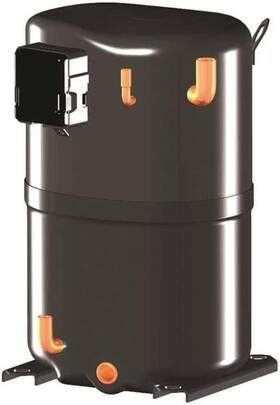
( Brand: Bristol ), ( Manufacturer Part Number: H2EB20SAB ), ( Model: BRISTOL H2EB20SAB ), ( Part Type: Reciprocating Hp 230v Compressor Btu ), ( Compressor Type: Reciprocating ), ( Color: Gray ), ( Voltage: 208/230 V )
Review BRISTOL Reciprocating Compressor 1980 Btu 1.5 Hp 230v Gray Model
The **Bristol H2EB20SAB reciprocating compressor**, a robust and reliable workhorse from the early 1980s, remains a sought-after model among industrial professionals for its durability, precision engineering, and versatile performance. Built with a **1.5 horsepower electric motor** rated at **230 volts**, this compressor is designed to deliver consistent, high-pressure air output, making it ideal for demanding applications in manufacturing, automotive repair, pneumatic tooling, and general industrial operations. The **H2E series** is renowned for its compact yet sturdy construction, featuring a **single-stage reciprocating design** that ensures efficient air compression while minimizing wear and tear over extended use. The **20-gallon air receiver tank** provides ample storage capacity, allowing for smoother operation and reduced cycling of the motor, which extends both the lifespan of the compressor and the longevity of connected pneumatic tools. Engineered with **cast iron components**, including a heavy-duty crankshaft and robust cylinder block, this unit is built to withstand the rigors of continuous operation in harsh environments, offering exceptional resistance to vibration and thermal stress. The **oil-flooded system** enhances lubrication and cooling, reducing friction and preventing premature failure of critical moving parts. With its **manual pressure gauge and robust valve assembly**, the H2EB20SAB ensures accurate pressure regulation, allowing operators to fine-tune performance for specific tasks. Whether used in a garage workshop, a small-scale manufacturing facility, or a maintenance department, this compressor exemplifies the blend of **simplicity, strength, and efficiency** that has made Bristol an industry standard for over a century. Its timeless design, combined with the reliability of a well-maintained electric motor, makes it a cost-effective solution for those seeking a dependable air compressor that can handle heavy-duty tasks with ease.
**Pros and Cons of Buying a Bristol H2EB20SAB Reciprocating Compressor (19800 Series, 1.5 HP, 230V)**
### **Pros**
1. **Reliability and Durability** Bristol is a well-established brand known for manufacturing robust industrial compressors. The 19800 series is designed for heavy-duty applications, suggesting it can handle prolonged use without frequent failures.
2. **Proven Performance** This model is part of a long-standing line of compressors that have been used in various industrial, automotive, and commercial settings. Its 1.5 HP rating provides sufficient air output for moderate to heavy-duty tasks, such as powering pneumatic tools, inflating tires, or running small air-operated equipment.
3. **Compatibility with Common Systems** The 230V electrical requirement aligns with standard industrial power supplies, making it easier to integrate into existing setups without needing specialized wiring.
4. **Maintenance-Friendly Design** Reciprocating compressors like this one are generally easier to service than rotary screw or centrifugal models. Parts such as pistons, valves, and belts are relatively accessible and replaceable, reducing downtime.
5. **Cost-Effective for Short-Term or Light-Duty Use** Compared to larger or more advanced compressors, this unit is relatively affordable. If you only need occasional or moderate air compression (e.g., for a small workshop or mobile use), it may be a practical choice without overpaying for excess capacity.
6. **Portability (If Applicable)** Some models in this series may be designed with wheels or a compact frame, allowing for easier relocation if needed.
7. **Brand Support and Availability of Parts** Bristol equipment is still supported by some industrial suppliers, and replacement parts (such as belts, seals, or valves) may still be available, though availability could decline over time.
---
### **Cons**
1. **Age of the Model** This compressor is from the 1980s, which means it may lack modern efficiency improvements. Older designs often consume more energy, generate more heat, and require more frequent maintenance compared to newer, energy-efficient models.
2. **Potential for Wear and Tear** A used compressor of this age may have accumulated internal wear, such as worn piston rings, valve leaks, or degraded seals. Without a thorough inspection or service history, its reliability cannot be guaranteed.
3. **Energy Inefficiency** Older reciprocating compressors typically have lower efficiency ratings compared to modern units. This could lead to higher electricity costs over time, especially if used frequently.
4. **Noise and Vibration** Reciprocating compressors are generally louder and more vibration-prone than newer designs, which may incorporate noise-dampening materials and balanced components. This could be an issue in quiet work environments.
5. **Limited Air Output for Heavy-Duty Needs** At 1.5 HP, this compressor may struggle with continuous high-demand applications (e.g., running multiple pneumatic tools simultaneously or high-volume inflation tasks). It is better suited for intermittent or light-to-moderate use.
6. **Regulatory and Safety Compliance** Older compressors may not meet current safety or emissions standards, particularly if modifications were made over the years. Ensuring it complies with modern OSHA or local regulations could be a concern.
7. **Depreciation and Resale Value** Used compressors, especially those from the 1980s, lose value quickly. If you plan to resell it later, you may not recover much of your initial investment.
8. **Potential for Hidden Issues** Without a professional inspection, there could be undetected problems such as:- Rust or corrosion inside the cylinder or valves.
- Worn-out bearings or crankshaft issues.
- Electrical faults (e.g., damaged wiring, failing motor windings).
- Leaks in the air tank or piping.
9. **Limited Warranty or No Warranty** Since this is a used or older model, it is unlikely to come with a warranty. Any repairs would be out-of-pocket.
10. **Alternative Modern Options** Newer reciprocating compressors or even more efficient rotary screw models may offer better performance, lower operating costs, and longer lifespan for a similar or slightly higher upfront cost.
---
### **Conclusion**
Buying a Bristol H2EB20SAB reciprocating compressor from the 1980s can be a viable option if you need a **budget-friendly, short-term, or light-to-moderate duty** air compressor for tasks like inflating tires, powering small tools, or occasional industrial use. Its reliability and brand reputation make it a safer choice than an unknown used compressor, but its age introduces risks of inefficiency, higher maintenance needs, and potential hidden mechanical issues.
If you prioritize **long-term efficiency, lower operating costs, and reduced maintenance**, investing in a **new or remanufactured compressor** (even if slightly more expensive) would likely be the better decision. Modern units offer better energy savings, quieter operation, and longer lifespan.
For a used unit like this, **conduct a thorough inspection** (or have a professional do so) before purchasing. Check for:- Signs of rust or corrosion inside the compressor.
- Proper lubrication and condition of belts, seals, and valves.
- Motor health (test for unusual noise or overheating).
- Air tank integrity (no leaks or excessive rust).
- Electrical safety (inspect wiring and connections).
If the compressor passes inspection and aligns with your needs, it can be a cost-effective solution. Otherwise, consider upgrading to a newer model for better long-term value.
---
### **Recommendation**
- **Buy if:**- You need a **temporary or low-demand** air compressor.
- You ve **inspected it thoroughly** and confirmed it s in good working condition.
- You re on a **tight budget** and can accept higher energy costs and maintenance.
- You plan to **use it sparingly** (e.g., for occasional automotive or workshop tasks).
- **Avoid if:**- You require **high efficiency, low noise, or continuous heavy-duty use**.
- You cannot afford **potential repair costs** or unexpected downtime.
- You d prefer **modern features** like energy-saving technology or easier maintenance.
- You re unsure about the **true condition** of the compressor without professional testing.
**Final Suggestion:** If possible, explore **remanufactured or newer used compressors** (e.g., from brands like Ingersoll Rand, Kaeser, or Atlas Copco) that offer better efficiency and warranties. If you proceed with this Bristol model, negotiate the price based on its age and condition, and budget for potential maintenance costs.
Details:
Its compact build makes it suitable for both commercial and industrial settings where space optimization is crucial. PERFORMANCE: Engineered for optimal efficiency and consistent operation in both high low-temperature applications. VERSATILITY: Compatible with various refrigeration and air conditioning systems requiring medium to high-capacity cooling. This portable air compressor is engineered for consistent operation and durability in various applications.
The units construction focuses on delivering dependable compressed air output while maintaining operational efficiency. SPECIFICATIONS: model H2EB20SABCB features robust components and standard mounting configuration for easy installation. About this item: CAPACITY: Bristol reciprocating compressor delivers 1980 btu cooling capacity, ideal for commercial and industrial applications. The reciprocating design ensures efficient compression cycles while maintaining steady pressure levels.
Bristol Reciprocating Compressor, 1980 btu , 1.5 HP, 230V, Gray, model H2EB20SABCB: Brand Bristol, voltage 230 volts , Power Source Electric, Noise Level 75 Decibels, Special Feature Heavy Duty Construction, High Efficiency, Design.: The Bristol H2EB20SABCB reciprocating compressor delivers reliable performance with its robust 19,800 btu capacity. DESIGN: Heavy-duty construction ensures reliable performance and long service life in demanding environments.
part #: h2eb20sab price
- $678.99
specifications motohva:
- brand: Bristol
- mpn: H2eb20sab
- model: Bristol H2eb20sab
- part type: Reciprocating Hp 230v Compressor Btu
- compressor type: Reciprocating
- color: Gray
- voltage: 208/230 V
shipping motohva:
- class: Economy
- type: Calculated
- carrier: UPS
- transit: 5-12 Days
- service: UPS Ground Saver
- cost: $0.00
offer motohva:
- availability: In Stock
- best offers: True
- started: March 20, 2026
- quantity: 3
- options: Ship-to-home
- sold: 0
returns motohva:
- paid by: Buyer
- method: Money back
- policy: Returns Accepted
- time: 30 Days
payments motohva:
- other
- credit card: Visa
- wallet: Paypal
seller motohva:
- city: Saint Augustine, Florida
- rating: 100.0%
- # reviews: 38
general motohva:
- condition: New
- HVAC Refrigeration > HVAC Refrigeration Components > Compressors
Bristol H2EB20SAB Is Similar To:
- 423a563dbea Bristol New Compressor L63a183dbda (39.7% similar) It shows no damage and is sold as-is. Here is a nos Bristol model 423A563DBEA 460 volt three phase compressor...(December 20th, 2017)
- 700745-16-1363 Bristol New Compressor (35.7% similar) 5 height in. The equipment may have broken or missing parts and be in need of some rework repair. Oil: mineral mount in. Bristol 17HP compressor H2NG204DREF model: H2NG204DREFPART number: ,400 btu hr hermetic reciprocating COMPRESSOR460V, 3 phase, 60HZ, 3PH, 50HZ Lara: 141THIS high capacity ...(August 21st, 2018)
- 702048-04-1257 Bristol Hermetic Thermally Protected Compressor New (36.9% similar) Bristol L1NB262EBAB hermetic thermally protected compressor new. This unit is new...(March 27th, 2019)
- 702112-1351-00 Bristol H2ng124gpee A-c Compressor (37.1% similar) ...(December 12th, 2017)
- 702225-04-0765 Bristol Hp Compressor (37.8% similar) This item came from a local mfg that had surplus replacement inventory. This Bristol L1NB352EBCB compressor is in unused condition and guaranteed to be fully functional. Please feel free to with any questions. Part no: model L1NB352EBCB3 4 hp 50 60HZ 200 230V 1PH R12 3400 btu hr replacement for ...(June 22nd, 2018)
- 704006-02-1036 Bristol New Ton Compressor (39.7% similar) Of phases: 1FREQ. Delivery required when merchandise too large or heavy to be delivered by ups fed ex. The most common cause of damage is fork-lift so pay special attention to holes poked in packaging. Brand new in original box, only took out for pics. You can also save high local delivery fees if ...(April 9th, 2018)
- 705034-1501-00 Bristol Compressor Goodman Ton Free Shipping (34.3% similar) R22 407 Bristol compressor. Oem Goodman 2 ton heat pump straight cool. Took out of running unit with leaky coils. Has oil charge and sealed...(June 23rd, 2018)
- 705168-2110 Bristol Compressor Low Temp Btu (39% similar) L63A113DBLA part no. It was taken from working Taylor ice cream machine model also, includes Senate drier filter and wired up on the relay starter as showing in pictures. Bristol L63A113DBLA recip. 5 nominal horsepower: 3 refrigerant type: R404A refrigeration application: low temperature voltage : ...(November 8th, 2018)
- 710001-2004-00 Bristol Btu Compressor Ph Hp New (42.6% similar) Our technician has inspected this unit and pronounced it to be in good operation condition ready run. This listing is for one new Bristol compressor. 57-10, 9X10X14...(August 14th, 2018)
- 739060-2120-10 Bristol Phase Air Conditioning Compressor (42.7% similar) Bristol 10 H29B28UDBVA 3 phase 460 360V air conditioning compressor...(February 25th, 2019)
- 747010-1000-00 Bristol Reciprocating Ts Compressor (51.2% similar) 20 suction id. Bristol compressors T27B284CBCA technical specs: crankcase heater: 47 watts compressor type: reciprocating twin single gifts discharge id. 50 height : 15. hertz : 60 capacity rating - btu hr: 27,600PHASE: 1 rated load amps: volts : v refrigerant TYPE:R22. 50 footprint...(July 6th, 2018)