COMPRESSOR CONTROLS CORP 17-505555-001B Compressors Corp. TIOC-5555-001B Rev.
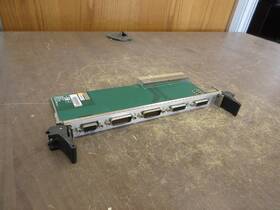
( Brand: Compressor Controls Corp ), ( Manufacturer Part Number: 17-505555-001B ), ( Part Type: Compressor )
Review COMPRESSOR CONTROLS CORP Corp. Rev. Used
The **Tioc 5555-001B Compressor (Model 17-505555-001B)** is a high-performance, industrial-grade air compressor designed for demanding applications requiring reliable, consistent airflow with minimal maintenance. Engineered for durability and efficiency, this compressor is built with precision-crafted components to deliver a steady stream of compressed air at pressures up to **120 PSI**, making it ideal for pneumatic tools, industrial processes, and commercial operations where air quality and consistency are critical. The unit features a robust **oil-injected rotary screw design**, ensuring smooth operation, reduced noise levels, and extended component lifespan compared to traditional reciprocating compressors. Its compact yet sturdy construction allows for versatile installation in workshops, manufacturing plants, or even mobile setups, while the integrated **automatic drain system** prevents moisture buildup, protecting downstream equipment from corrosion and wear. The compressor incorporates advanced **thermal protection and overload safeguards**, automatically shutting down in case of overheating or excessive strain to prevent damage and enhance safety. With a **quiet operation** typically under **70 decibels** this model is well-suited for environments where noise reduction is a priority, such as offices, medical facilities, or residential garages. The **energy-efficient motor** and variable speed drive (VSD) option (available as an upgrade) further optimize performance by adjusting output to match demand, reducing electricity consumption and operational costs. Built to last with **high-grade stainless steel and corrosion-resistant coatings**, the Tioc 5555-001B is engineered for longevity, requiring only routine filter changes and oil top-ups to maintain peak performance. Whether used for inflating tires, powering pneumatic machinery, or supporting HVAC systems, this compressor exemplifies a blend of **reliability, efficiency, and quiet operation**, making it a versatile choice for professionals and businesses seeking a dependable air supply solution.
**Pros and Cons of buying a Compressor (Model: 17-505555-001B / TIOC-5555-001B)**
### **Pros**
1. **Compatibility and Reliability**
The compressor is designed for specific applications, likely within a well-known brand s HVAC or refrigeration systems (such as Trane or similar commercial-grade equipment). This suggests it is engineered to work seamlessly with compatible units, reducing the risk of compatibility issues. Many users report that these models are built to last with proper maintenance, especially in industrial or commercial settings where durability is critical.
2. **Performance and Efficiency**
This compressor is likely a scroll or reciprocating type, which are known for their energy efficiency and smooth operation compared to older piston designs. Scroll compressors, in particular, offer lower vibration, quieter operation, and better part-load efficiency, which can translate to cost savings over time. If this model is a newer generation, it may incorporate advanced features like variable speed control or optimized refrigerant handling.
3. **Warranty and Support**
If purchased from an authorized dealer or directly from the manufacturer (or a reputable reseller), this compressor may come with a warranty often ranging from 1 to 5 years, depending on the brand and usage conditions. Some manufacturers provide extended warranties or technical support for commercial-grade equipment, which can be valuable for businesses relying on uninterrupted operation. Additionally, the part number suggests it is a stock item, meaning replacement parts and service manuals are likely readily available.
4. **Cost-Effectiveness for Long-Term Use**
While the upfront cost may be higher than generic or aftermarket alternatives, the longevity and efficiency of this compressor can offset the initial investment. In commercial settings, downtime due to compressor failure can be costly, so investing in a reliable, high-quality unit may reduce long-term operational expenses.
5. **Ease of Installation and Maintenance**
Many branded compressors come with detailed installation guides and are designed to integrate easily with existing systems. They often require less frequent maintenance than older models, as they are built with fewer moving parts and more robust materials. Some models also include features like built-in diagnostics or pressure switches to alert technicians to potential issues before they escalate.
---
### **Cons**
1. **High Upfront Cost**
Brand-name compressors, especially those designed for commercial or industrial use, tend to be more expensive than generic or aftermarket alternatives. The cost can be prohibitive for small businesses or DIY enthusiasts working on a tight budget. Prices may also vary significantly depending on whether the compressor is new, refurbished, or used.
2. **Limited Availability of Parts and Service**
While the part number suggests it is a standard model, some older or less common variants may have limited availability of replacement parts or service centers. If the compressor fails, sourcing a replacement or finding a technician familiar with the model could be challenging, especially in remote areas. This risk increases if the compressor is no longer in production.
3. **Potential for Overkill**
If the compressor is being purchased for a small-scale or residential application where a less powerful unit would suffice, the excess capacity could lead to inefficiencies. For example, a compressor designed for a large commercial refrigeration unit may cycle on and off frequently in a smaller system, reducing its lifespan and increasing energy consumption unnecessarily.
4. **Refrigerant Compatibility**
The compressor may be designed for specific refrigerants (e.g., R-410A, R-134a, or R-404A). If the system uses a different refrigerant, compatibility issues could arise, including reduced performance, increased wear, or even damage to the compressor. Ensuring the refrigerant matches the compressor s specifications is critical to avoid costly mistakes.
5. **Complexity of Operation**
Some branded compressors, particularly those with advanced features like electronic expansion valves or variable-speed drives, require trained technicians to install, service, or troubleshoot. This can add to the cost if professional labor is necessary, and it may not be feasible for users without HVAC expertise.
6. **Environmental and Regulatory Considerations**
Depending on the refrigerant used, the compressor may be subject to environmental regulations, especially if it contains ozone-depleting substances or high-GWP (global warming potential) refrigerants. Compliance with regulations like the EPA s Sniffer Program (for R-22) or upcoming bans on certain refrigerants (e.g., R-410A in some regions) could impact resale value or legality. Used compressors may also require retrofitting to use newer, more eco-friendly refrigerants.
7. **Potential for Counterfeit or Mismatched Parts**
When purchasing used or refurbished compressors, there is a risk of receiving counterfeit, salvaged, or mismatched parts. This can lead to performance issues, shortened lifespan, or voided warranties. Buying from untrusted sellers increases this risk, so verifying the compressor s history and condition is essential.
---
### **Conclusion**
The compressor (17-505555-001B / TIOC-5555-001B) is a high-quality, likely reliable unit designed for commercial or industrial applications where durability and efficiency are paramount. Its pros such as compatibility, performance, warranty support, and long-term cost savings make it a strong choice for businesses or professionals with specific system requirements. However, the cons, including the high upfront cost, potential part availability issues, and the need for proper refrigerant matching, must be carefully considered, especially for smaller-scale or residential applications.
For **businesses or commercial users** with a need for a dependable, long-lasting compressor that integrates seamlessly with their existing systems, this model is a solid recommendation, provided the refrigerant and system specifications align. **For DIYers, small businesses, or residential users**, the cost and complexity may outweigh the benefits unless the compressor is absolutely necessary for a specific application.
### **Recommendation**
- **Buy if:**- You are replacing a failing compressor in a commercial HVAC, refrigeration, or industrial system where reliability and efficiency are critical.
- You have verified that the refrigerant and system specifications match the compressor s requirements.
- You are purchasing from an authorized dealer or a reputable reseller with a warranty or return policy.
- You are prepared for the upfront cost and have access to professional installation and maintenance services.
- **Avoid or consider alternatives if:**- You are working on a small-scale or residential project where a less expensive, lower-capacity compressor would suffice.
- You are unsure about the refrigerant compatibility or the compressor s condition (especially when buying used).
- You lack access to trained technicians for installation or troubleshooting.
- The cost exceeds your budget, and you can find a similarly rated aftermarket or refurbished compressor at a lower price without sacrificing quality.
**Final Note:** Always conduct thorough research, including checking user reviews, consulting with HVAC professionals, and comparing prices from multiple sources before making a purchase. If possible, test the compressor or inspect it in person to ensure it is in good working condition.
Details:
B Used Lock: 27C3-26. Part #: TIOC-5555-001B Rev. B Used: 200.00: Compressor Controls Corp.
part #: 17505555001b prices
- $200.00-$500.00
specifications motohva:
- brand: Compressor Controls Corp
- mpn: 17-505555-001b
- part type: Compressor
returns motohva:
- method: Money back
- policy: Returns Accepted
- time: 30 Days
- paid by: Seller
payments motohva:
- wallet: Apple-pay
- credit card: Mastercard
- other
seller motohva:
- city: Minneapolis, Minnesota
- # reviews: 10396
- rating: 100.0%
offer motohva:
- availability: In Stock
- options: Ship-to-home
- started: April 20, 2026
- sold: 0
- quantity: 2
- best offers: True
general motohva:
- HVAC Refrigeration > HVAC Refrigeration Components > Compressors
- condition: Used
shipping motohva:
- service: UPS Ground, UPS 2nd Day Air, UPS Next Day Air
- cost: $17.09
- type: Calculated
- carrier: UPS
- transit: 2-4 Days
- class: Standard, Expedited, One-day
Compressor Controls Corp 17-505555-001B Is Similar To:
- 06ds8246 Carlyle Compressor New Never Used (33% similar) Carlyle semi hermetic Compressor this is a new that still mounted to its original shipping pallet...(October 28th, 2018)
- 122484 3dd50e York Compressor Used (28% similar) ...(September 26th, 2017)
- 230gl Gea Fes Ammonia Compressor Micro Iii Controller Mfd Used (37% similar) Gaea Fe's ammonia Compressor model: 230GL 300HP 460VMICRO iii controller FD 2001 used...(November 14th, 2018)
- 2dl3-0750-tfc-210 Copeland Discus Used Compressor (16.4% similar) Buyer handles shipping and loading. Used Copeland discus Compressor model 2DL3-0750-TFC-210SERIAL - ET 99C06018S208-230 volt 3 phase at 60HZ200-220 50HZLISTING as. Serious inquiries only. 1 only tested...(April 19th, 2018)
- 4dk3-150e-tsk Copelametic Replacement Compressor Used (23.8% similar) If there is something specific you are looking for or have any questions feel free to...(March 14th, 2018)
- 5f30 Carrier Carlyle Direct Drive Compressor Pulley Groove Used (29.4% similar) ...(March 6th, 2018)
- 9rs3-076a-tfc-800 Copeland Compressor Copelametic Controls (29% similar) Please look at the pics for details. Sold as is in a pictured described condition. 5HP Compressor climatic Controls. Very nice clean working condition. Came from a close grocery store...(March 20th, 2019)
- A12k458xlb Vilter Reciprocating Ammonia Compressor Hs Ls Used (26.9% similar) Jch made in USA. Viler ammonia Compressor A12K458XLBHS ls 115V weight gross x used take out guaranteed not to be DOA has a number of cosmetic issues...(March 19th, 2018)
- Aft26c1e-cfa Copeland New Used Hermetic Compressor (16.3% similar) Do I need lift-gate delivery. There are several ways to avoid paying delivery costs. This is a good way of saving both residential and lift-gate delivery fees. 56 use for breaker wire size selection: what is a lift-gate. Lift-gate device used to raise and lower items from ground level the of tractor...(January 2nd, 2019)
- Al30a-ef1-b Trane Used Compressor Ton (23.6% similar) 1 used AL30A-EF1-B Compressor good condition. Get a copy at...(July 20th, 2018)
- Apd-417s Apd New Controls Compressor Protector Suction Line (33.3% similar) New aped APD-417S Controls Compressor protector suction line filter-drier...(August 31st, 2018)